MILK PITCHER CARE · CAFÉ HYGIENE · PRODUCT GUIDE
How to Clean a Coffee Milk Pitcher
The reliable method is simple: empty and rinse promptly, wash with warm water and mild detergent, use a soft non-metal tool for residue, rinse fully, then air-dry. In food service, follow the locally approved wash–rinse–sanitize–air-dry procedure before the pitcher returns to use.
Quick method: rinse, wash, rinse and air-dry
For home use, this routine after the coffee session is usually the practical baseline. For cafés and food-service operations, cleaning and sanitizing are separate jobs. Use the approved chemical, concentration, contact time and local food-safety procedure after cleaning; do not substitute a quick rinse for the full process.
- Rinse promptly: dried milk needs more brushing and stronger chemical exposure to remove.
- Use mild detergent and a soft non-metal tool for ordinary milk residue.
- Check the inner bottom, rim, spout, weld and handle joint—the places residue hides.
- Rinse completely and air-dry; do not nest or store a pitcher while damp.
- Identify white scale, greasy milk film, heat discoloration and finish damage before escalating chemicals.
- Confirm care limits for coated, coloured, printed or logo-marked pitchers separately from bare stainless steel.
The 7-step daily cleaning routine

Why dried milk sticks to a pitcher
Milk soil is not one simple stain. It contains fat, protein, sugars and minerals. Heat and drying make the film harder to remove: protein can adhere to a hot surface, fat can leave a greasy layer, and minerals from milk or hard water can build a pale, rough deposit often described in dairy-cleaning guidance as milkstone.
| What you see | Likely issue | First response | Do not assume |
|---|---|---|---|
| Greasy or sticky film | Milk fat/protein residue | Warm detergent wash, short soak and soft brush | That sanitizer alone will remove visible soil |
| White, chalky or rough ring | Mineral scale, milkstone or both | Clean normally first, then confirm a compatible mineral-cleaner method | That every white mark needs strong acid |
| Brown mark after heat | Baked-on soil, heat tint or finish change | Soak, brush gently and inspect after cleaning | That scraping is safe for polished or coated surfaces |
| Sour odor after washing | Hidden residue, contaminated brush or damp storage | Rewash hard-to-reach areas with a clean tool; air-dry fully | That fragrance or sanitizer masks a cleanability problem |
Routine stainless-steel cleaning guidance from the British Stainless Steel Association supports detergent and warm water for ordinary cleaning, with a clean-water rinse. It also cautions against chloride-containing solutions and carbon-steel wool because they can stain or damage stainless surfaces.
How to remove dried milk residue safely
Soften dried milk rather than chipping or scraping it. Use the least aggressive method that works, and stop if a coloured finish, logo, measurement mark or inner coating begins to change.
Gentle escalation sequence
- Pre-rinse to remove loose milk; do not scrub dry residue first.
- Soak briefly in warm water with mild detergent high enough to cover the residue.
- Brush gently with a dedicated nylon brush or non-scratch sponge, including the spout and bottom curve.
- Rinse and inspect; repeat the soak and brush instead of increasing abrasion.
- Escalate only to a food-contact cleaner compatible with the metal, finish, logo and marks, following its label exactly.
There is no universal soak time. Cleaner strength, water temperature, soil thickness, steel, coating and decoration vary. A long soak in an unknown chemical can be more damaging than a repeated mild wash.
Cleaning versus sanitizing in a café
Cleaning removes milk soil and cleaning-chemical residue. Sanitizing reduces microorganisms on an already clean food-contact surface. Sanitizer works poorly when visible soil remains. In a café, the pitcher needs the approved sequence for the jurisdiction and operation, not a home-kitchen shortcut.
Wash
Remove milk soil using the approved detergent and physical action. Cover the inside, outside, rim, spout, base and handle connection.
Rinse
Remove soil and cleaner with clean water so the next stage is not compromised by detergent residue.
Sanitize and air-dry
Use the registered product and verified local procedure, then allow adequate draining or air-drying before food contact.
The FDA Food Code is a model used by U.S. jurisdictions, not a universal rule automatically adopted everywhere. Its 2022 provisions state that cleaned utensils and food-contact surfaces are sanitized before use, and that equipment and utensils are air-dried or adequately drained after cleaning and sanitizing. Follow your applicable local code and the sanitizer label for concentration, water temperature, pH, contact time and rinse/no-rinse direction.
Milk-allergen cross-contact needs more than a quick rinse
A visible rinse does not equal validated allergen cleaning. A café serving dairy and plant-based drinks should decide whether it uses dedicated pitchers, a full cleaning process between milk types, or both. Colour is only a useful control when staff apply it consistently and the written cleaning procedure supports it.
FDA research on food-contact surfaces found that a full wash–rinse–sanitize–air-dry process was effective for allergen removal and minimizing transfer under the tested conditions; results varied by soil, surface texture/material and wiping method. Use that as a hygiene principle, then apply the café’s own allergen plan and local requirements.
Need pitchers with finish-specific care guidance?
Tell Coffmach your milk-pitcher capacity, material, finish, logo method, market and cleaning system. We can help confirm product options for custom, private-label and wholesale projects.
Care for coated, coloured and printed pitchers
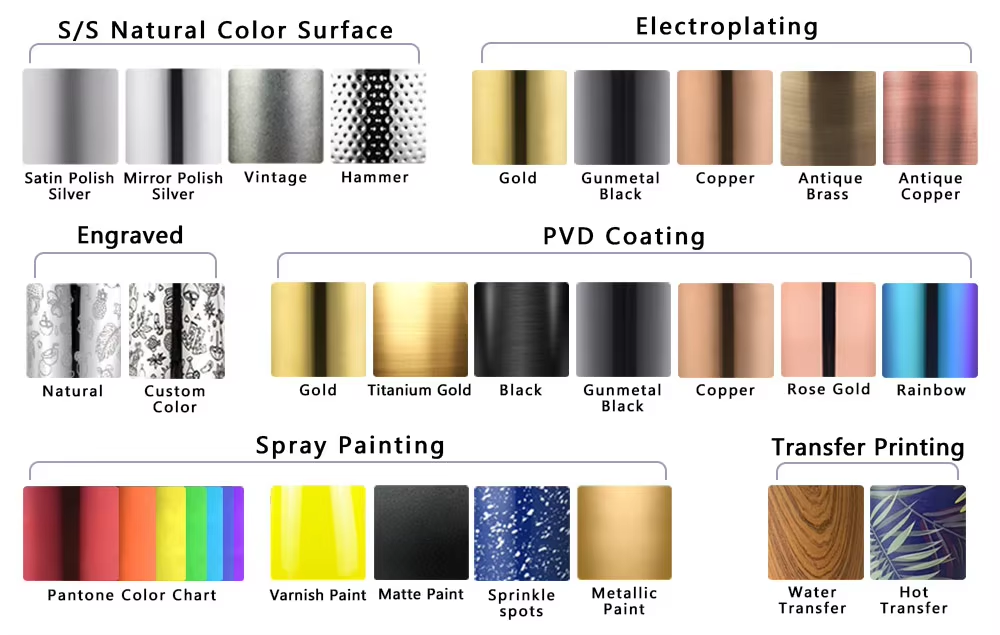
The inside milk-contact surface and outside decorative finish can have different care limits. Powder coating, deposited colour, printed graphics, stickers, laser marks, stamped marks and measurement scales do not respond to cleaners in the same way. A cleaner harmless to bare stainless steel can fade, lift, stain or dull another finish.
- Ask whether “dishwasher-safe” covers the complete product, including coating, logo and internal marks—not only the steel body.
- Request approved detergent type, temperature range, sanitizer compatibility and maximum exposure time for commercial use.
- Spot-test a new cleaning chemical on a sample or hidden area before changing the café SOP.
- Avoid rough pads across printed marks, mirror polish and decorative finishes.
- Remove a pitcher from service if a food-contact coating peels, a sharp edge develops, or a weld/handle becomes loose.

Troubleshooting guide
| Problem | Likely cause | Check | Corrective action |
|---|---|---|---|
| Milk ring stays after washing | Residue was allowed to dry; brush missed the bottom curve | Feel the inner wall under good light | Short soak, gentle nylon brush, rinse and repeat |
| White rough film returns | Mineral deposits, milkstone or water issue | Clean normally, dry and observe recurrence | Confirm a finish-compatible food-contact mineral-cleaner procedure |
| Logo fades or surface dulls | Cleaner or abrasive incompatible with decoration | Compare affected area with approved sample/care guide | Stop the method; review finish-specific instructions and test a safer alternative |
| Persistent sour smell | Trapped soil, dirty brush, damp nesting or surface damage | Inspect rim underside, spout, welds and handle joint | Rewash with fresh solution; air-dry; quarantine if odor or damage persists |
| Rust-like spots | Transferred iron from carbon-steel pad/wool or unsuitable chemical exposure | Review the cleaning tools and chemical history | Stop contaminating tools; seek maker guidance for surface recovery |
A simple café milk-pitcher SOP
Keep the approved chemical details, test method and local requirements at the wash station. A short observable procedure is easier to follow during a rush than a long generic cleaning note.
Frequently asked questions
Can I use baking soda to clean a stainless-steel milk pitcher?
Baking soda can help with some odors or deposits, but it is not a universal answer and may act as an abrasive on polished or decorated surfaces. Start with mild detergent and a soft tool. If considering baking soda, confirm that the pitcher maker permits it and rinse thoroughly.
Can I use vinegar to remove milk residue?
Vinegar may help with some mineral scale, but it is less useful for a greasy protein-and-fat film. Do not assume it is safe for every coating, printed logo, adhesive or handle material. Identify the soil first and use a compatible food-contact method when routine washing fails.
Can a milk frothing pitcher go in the dishwasher?
Only if the supplier confirms the complete product is dishwasher-safe. Bare steel, coloured coating, printed logo, marks, sleeve and adhesive label can have different limits. Test the intended cycle on a production-representative sample for commercial projects.
How long should I soak dried milk?
Soak only long enough to soften the residue, then brush gently. There is no universal time because cleaner strength, water temperature, steel, coating, decoration and soil thickness vary. Follow the cleaner label and product instructions rather than leaving a decorated pitcher overnight.
Is a quick rinse enough after steaming milk?
Prompt rinsing prevents milk from drying, but it is not a complete commercial cleaning and sanitizing process. The pitcher still needs the approved wash, rinse, sanitize and air-dry steps before food-service reuse. Home users should also wash with detergent after the session.
How do I remove a burnt-milk ring?
Soak the ring in warm water with mild detergent until it softens, then use a non-scratch sponge or nylon brush. Repeat instead of scraping. If the mark remains after soil is gone, it may be heat tint or finish damage; stop abrasive cleaning and inspect the surface.
Why does my milk pitcher still smell after cleaning?
Residual soil, a dirty brush or damp storage is the usual first place to look. Rewash the spout, rim, bottom, weld and handle connection with fresh solution and a clean tool, then air-dry fully. Remove from use if odor persists or damage is found.
When should a café replace a milk pitcher?
Quarantine or replace it when there is a sharp edge, crack, loose handle, failed weld, deep damage that cannot be cleaned, peeling food-contact coating, persistent odor or corrosion requiring review. Use a written inspection rule so staff can separate cosmetic wear from a cleanability or structural failure.
Technical sources and image credits
- Coffmach — Coffee Milk Jug. Product context for materials, finishes, logos, marks and custom care considerations.
- FDA — Food Code 2022. U.S. model-code context for food-service cleaning and utensil sanitation.
- FDA — Allergen Removal and Transfer. Food-contact surface research on wiping and full wash–rinse–sanitize–air-dry cleaning.
- British Stainless Steel Association — Cleaning Methods. Routine-cleaning and material-care guidance for stainless steel.
- KitchenAid — Espresso Machine Care and Cleaning. Manufacturer example for washing a milk pitcher in warm, soapy water and rinsing clean.
- Coffmach — How Often Should You Rinse a Milk Jug?. Internal workflow context.
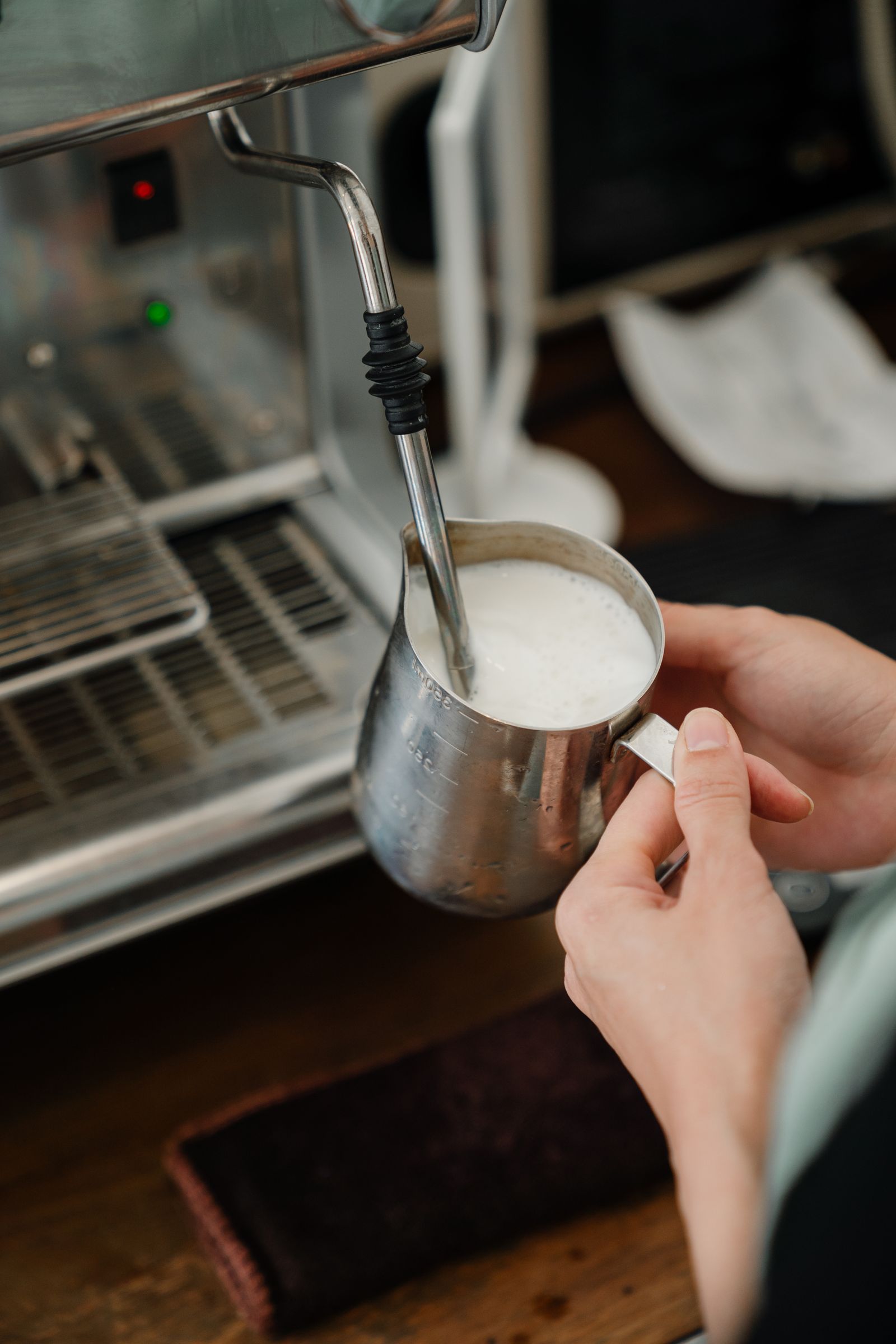
- The first article photo is an unbranded real coffee-workflow photo from Pexels, credited below the image. The remaining four product images are from the Coffmach coffee milk jug landing page. Images and source credits are not clickable.